Google Ads for Therapists
Google Ads for Behavioral
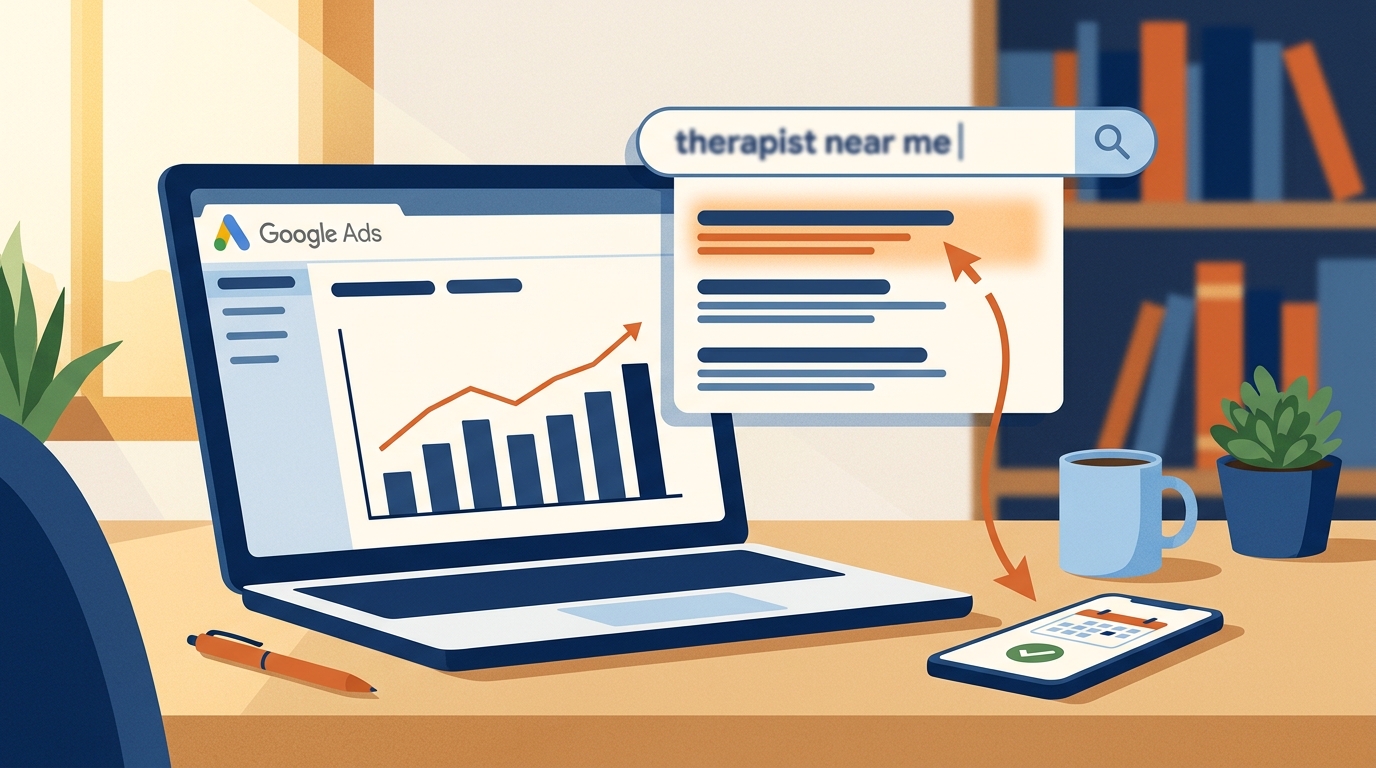
When someone types “anxiety therapist near me” at 11pm, they are ready to book. Google Ads puts your practice at the top of that exact moment, in front of people who are actively looking for help. Done right, it is the fastest way to fill a caseload, because you reach people the day they decide to get help instead of waiting months for them to find you on their own.
Most practices either avoid Google Ads because it feels complicated, or they hand it to a generalist agency that markets a therapist the same way it markets a plumber. Both leave clients and money on the table. We run Google Ads built only for behavioral and mental health practices, so every dollar works harder.
The Channel
Google Ads is paid search. You set a budget, and when someone searches for the help you offer in your area, your practice shows up at the very top of the results. You only pay when someone clicks. The job is simple: turn searches like “couples therapist in Denver” or “EMDR for trauma near me” into booked intake calls.
The real value is speed and control. Local search and AI search build over months. Ads turn on this week. You decide how much to spend, which clients you want, and you can scale up the moment it works or pause anytime. For a practice that needs clients now, nothing moves this fast.
The Problem
Generalist agencies make the same mistakes on behavioral and mental health accounts again and again. They bid on broad words like “therapy” that burn budget on people who will never book. They send clicks to a slow homepage instead of a page built to convert. They report clicks and impressions as wins while your phone stays quiet. And they ignore the rules: Google restricts how you can advertise health services, and a campaign that breaks those rules gets suspended.
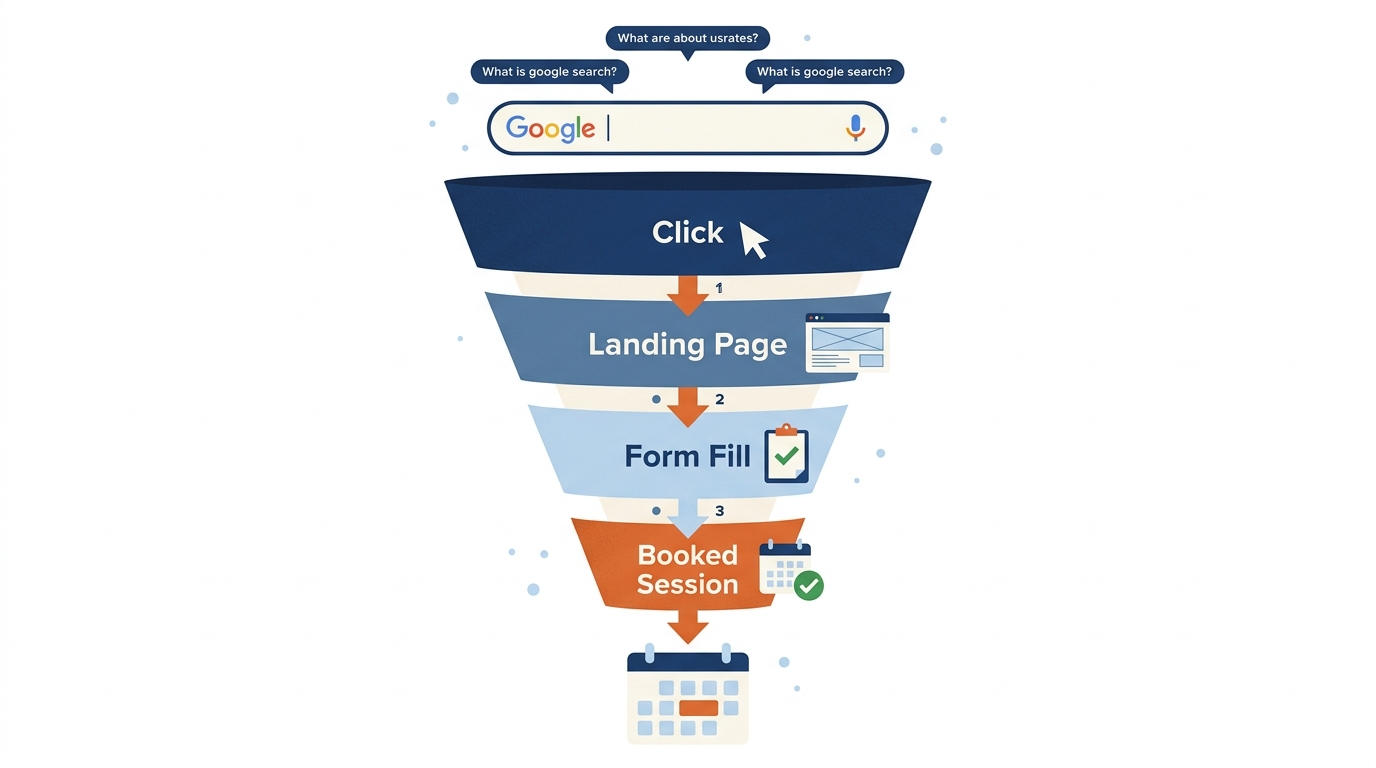
We do the opposite. We bid on the searches that show someone is ready to book, in your service area, for the issues and clients your clinicians want. We send those clicks to a focused page, and we measure success all the way to the booked appointment, not the click. Because behavioral and mental health is the only thing we do, we already know the words, the rules, and how your future clients think.
Process
We start with who you want on the calendar: the issues, ages, payers, and locations where your clinicians do their best work. Every decision flows from that.
We research how your clients actually search, write ads that speak plainly to them, and structure campaigns around your best-fit services.
We connect each ad to the booked intake, so you see cost per booked client, not vanity numbers. This is the step most agencies skip.
We start conservative, prove what a booked client costs, then put more budget behind what works and cut what does not.
Searches, competitors, and seasons all shift. We adjust bids, budgets, and keywords continuously so your cost per client keeps dropping.
Deliverables
Google Ads and, where you qualify, Google Local Services Ads, built for your practice
Keyword research and ad copy written for how people search for behavioral and mental health help
Conversion tracking from click all the way to booked intake
Landing page guidance so the clicks you pay for actually convert
Weekly optimization and a plain-English report of what every dollar returned
Campaigns built to Google’s healthcare advertising rules, so your account stays live
The System
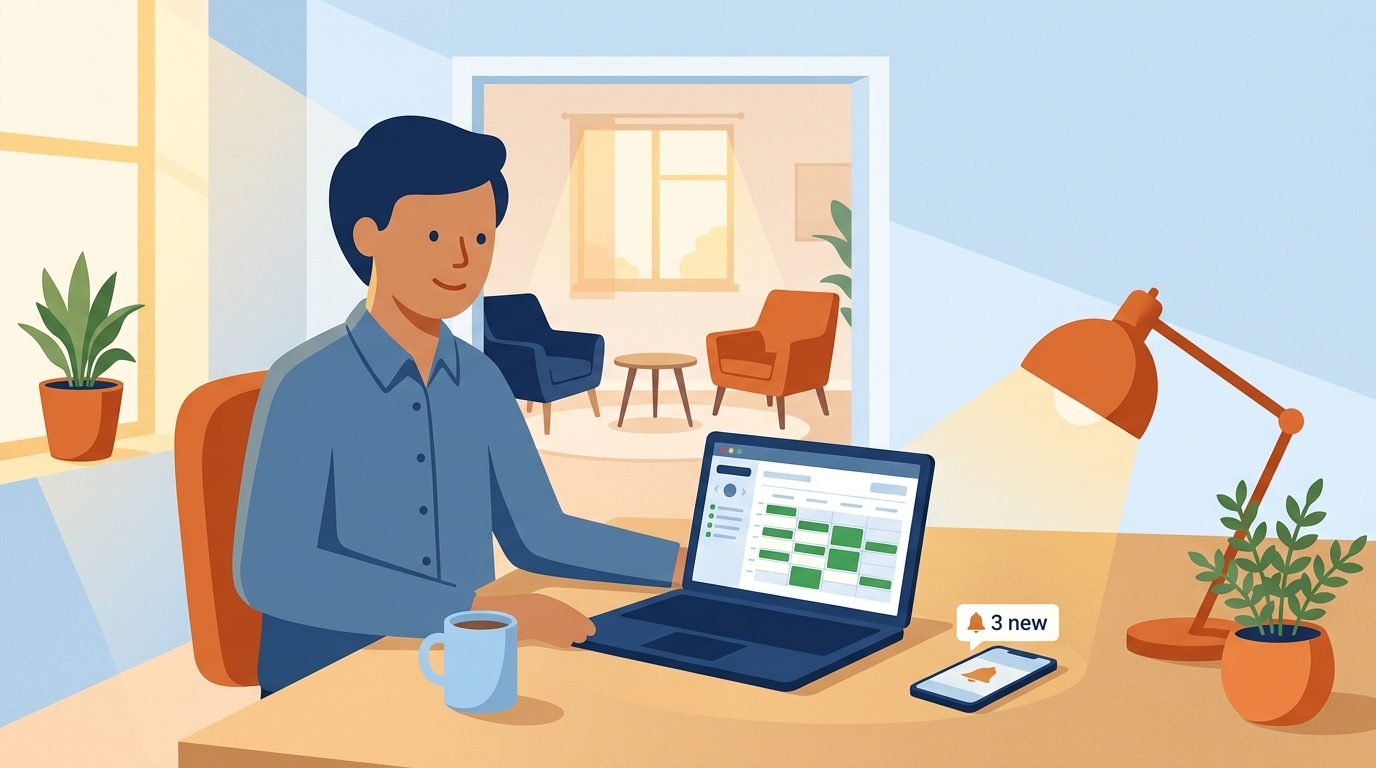
Ads are the fastest lane of stage one, Be Found. They only pay off when the rest of the system catches what they bring in. A click means nothing if the lead hits voicemail, so we wire your ads into patient intake automation that answers every inquiry in minutes. We measure all of it in your Growth Portal, so you always know which channel produced your last ten clients. For the channels that compound over time, see SEO for therapists and AI search optimization.
Common Questions
The best set of questions to ask a marketing agency we've ever received came from…
→
Let’s Talk
We will look at your practice and your goals together and figure out whether we are the right team to build this for you.